
Centre passes responsibility to states on reservation in private universities
New Delhi | Desk: The Central government has taken a neutral position on implementing reservations for students from Scheduled Castes (SC), Scheduled Tribes (ST), Other Backward Classes (OBC), and Economically Weaker Sections (EWS) in private higher education institutions.
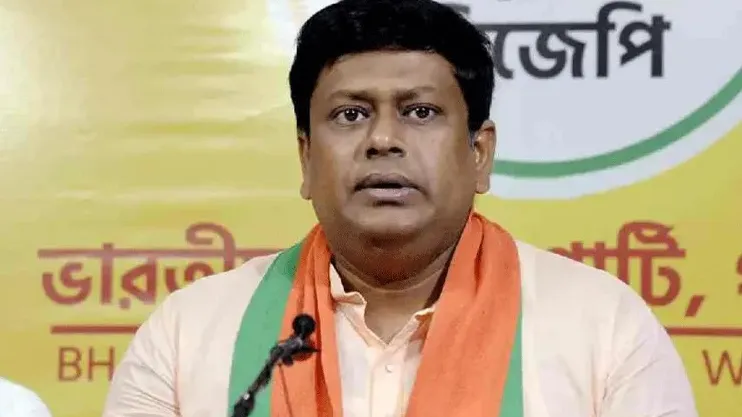
In a written reply to a question raised by Samajwadi Party MP Javed Ali Khan in the Rajya Sabha, Minister of State for Education Sukanta Majumdar stated that implementing reservations in private and unaided institutions is the responsibility of state governments.
Referring to constitutional provisions, the Minister explained that education falls under the Concurrent List, meaning both the Centre and states can make laws. Since private universities are set up through laws passed by state legislatures, it is up to state governments to bring in legislation to provide reservations in these institutions.
The Centre pointed out that states such as Uttar Pradesh, Maharashtra, Karnataka, and Bihar have already passed laws to ensure reservations in private universities. However, Articles 15(5) and 15(6) of the Constitution only allow reservations as an “enabling provision,” meaning they do not automatically enforce reservation and require separate laws for implementation.
Criticizing the Centre’s stand, the All India OBC Employees Federation accused the government of avoiding its responsibility and alleged that this approach protects corporate and private education interests.
Experts note that while the Central government introduced the 103rd Constitutional Amendment in 2019 to provide the EWS quota, it has not brought a central law to make reservations mandatory in the private sector. As a result, the issue has become a major political and social debate, especially since the Parliamentary Standing Committee on Education has also supported the implementation of reservations in private institutions.







