
Chhattisgarh Migrant Workers Killed in Kulgam Terror Attack Cremated in Kashmir
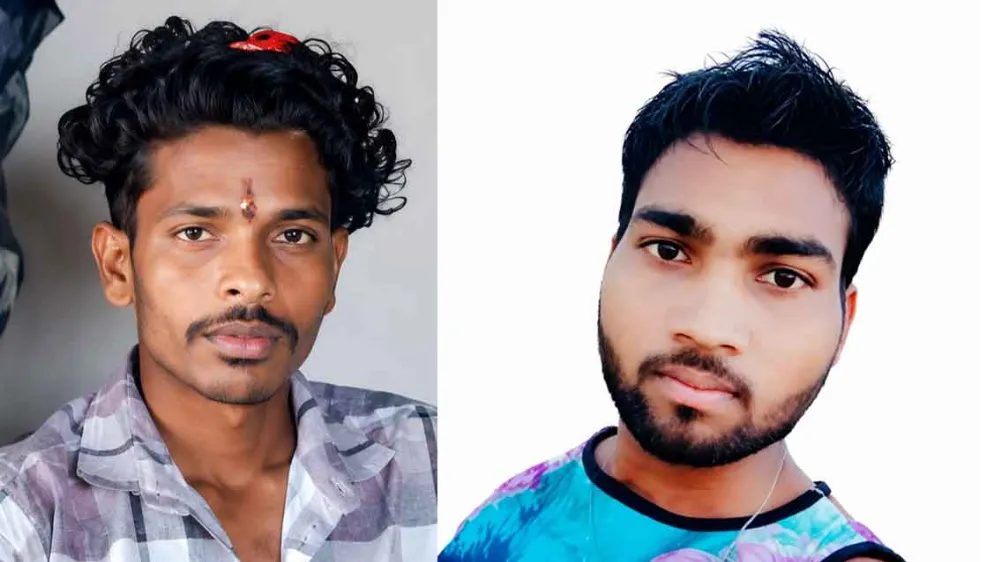
Kulgam (Jammu & Kashmir): The last rites of two migrant workers from Chhattisgarh- 21-year-old Deepak Ratre and 28-year-old Bhupendra Bhaina- who were killed in a suspected militant attack in the Kelam area of south Kashmir's Kulgam district, were performed in Kashmir on Saturday. Their deaths have cast a pall of gloom over their native villages, while the Chhattisgarh government has announced financial assistance for their bereaved families.
The attack took place at around 8:30 pm on Friday at a brick kiln in Kelam, about 20 kilometres from Kulgam town. According to preliminary investigations, the assailants allegedly questioned the migrant workers about their identities before separating Deepak and Bhupendra from the group after confirming they were Hindus. The two men were then shot at close range, while several other workers at the site escaped unharmed.
Eyewitnesses said three to four rounds of gunfire were heard during the attack. Following the incident, the Indian Army, Jammu and Kashmir Police, and other security agencies launched a massive cordon-and-search operation in the area. Security has since been tightened, with vehicle checks intensified on key routes as efforts continue to trace the attackers.
Police believe the attack was premeditated. Investigators suspect the militants had conducted prior reconnaissance of the brick kiln before carrying out the assault. Initial findings suggest the attackers deliberately targeted the victims based on their identity.
Investigating agencies are also probing the possible involvement of one local militant and one foreign terrorist. Officials are examining the role of a suspect identified as Mohammad Latif, who is believed to have been associated with the Lashkar-e-Taiba (LeT) and its proxy outfit, The Resistance Front (TRF), since last year. However, authorities have not officially confirmed his involvement.
Deepak Ratre, a resident of Bundeli village in Chhattisgarh's Sakti district, was the sole breadwinner of his family. His father had died earlier, and he is survived by his mother, a differently-abled brother, his wife, and a two-year-old son. He had moved to Kashmir nearly a year ago with his family in search of work and was employed at the brick kiln where the attack occurred.
Bhupendra Bhaina, from Chhuiha village in Sarangarh-Bilaigarh district, had travelled to Kashmir around three months ago with his wife to earn a livelihood. His two-year-old son had remained in the village with his grandmother and younger aunt. He too was the family's primary earning member, and his death has left his family facing severe financial hardship.
News of the killings triggered an outpouring of grief in both villages, where relatives and residents mourned the loss of the young workers whose earnings supported their families.
Chhattisgarh Chief Minister Vishnu Deo Sai condemned the killings, calling them inhuman and reprehensible. Expressing condolences to the bereaved families, he said terrorism has no place in a civilised society and that those responsible for targeting innocent civilians would be brought to justice.
The Chief Minister also announced ₹20 lakh in ex gratia assistance for the family of each victim, assuring them of the state government's full support during this difficult time.
The incident has once again highlighted concerns over the safety of migrant workers employed in conflict-prone regions. Every year, thousands of labourers from districts including Sakti, Sarangarh-Bilaigarh and Janjgir-Champa travel to Jammu and Kashmir, Punjab, Haryana and southern India in search of employment, primarily in brick kilns, construction projects and other daily-wage jobs.
With Kashmir entering the apple harvesting season, a period when large numbers of seasonal workers arrive from across the country, the attack is expected to heighten concerns among migrant labourers and could have wider implications for the region's labour supply and horticulture sector, which depends heavily on migrant workers.







