
WHO approves first malaria drug for newborns, marks major breakthrough
First malaria drug for newborns approved
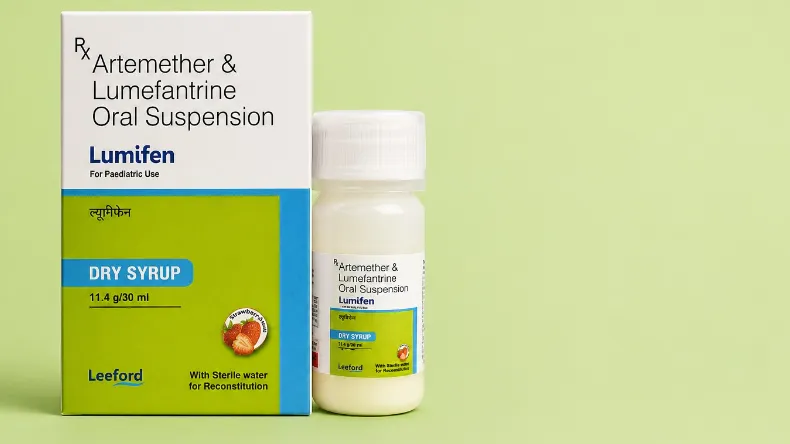
Geneva | Desk: Taking a revolutionary step in the global fight against malaria, the World Health Organization (WHO) has granted prequalification status to 'Artemether-lumefantrine', the first drug developed specifically for the world's youngest patients. This specialized formulation is designed for newborns and young infants weighing between two and five kilograms, a group that has, until now, remained the most neglected demographic in the treatment of this disease.
Previously, infants suffering from malaria were treated using medications designed for older children, a practice that carried a persistent high risk of dosing errors, side effects, and toxicity. With this decision by the WHO, access to a high-quality, safe medication that meets international standards can now be ensured for the 300 million infants born annually in malaria-endemic regions such as Africa.
Speaking on this occasion, WHO Director-General Dr. Tedros Adhanom Ghebreyesus stated that for centuries, malaria has robbed communities of their children and their well-being; however, with the advent of new vaccines, advanced mosquito nets, and infant-friendly medications, the landscape is now changing. He emphasized that ending malaria within our lifetime is no longer merely a dream, but a tangible possibility provided that political and financial commitments are sustained.
Alongside the medication, on April 14, 2026, the WHO also approved three new Rapid Diagnostic Tests (RDTs). These tests are specifically capable of detecting those 'invisible' malaria parasites in which the gene responsible for producing a protein known as HRP2 has been lost. In countries across the Horn of Africa, approximately 80 percent of cases were going undetected for this very reason, a situation that heightened the risk of delayed treatment and mortality.
The new tests target the 'pf-LDH' protein, thereby making an accurate diagnosis possible. This announcement has been made under the 'World Malaria Day 2026' campaign, titled 'Driven to End Malaria: Now We Can, Now We Must.' Data from the World Malaria Report 2025 indicates that, globally, 282 million cases of malaria and 610,000 deaths were recorded in 2024, figures that represent an increase compared to the previous year.
Although 47 countries have successfully eliminated malaria, the pace of global progress has slowed due to factors such as drug resistance and a decline in international aid. Nevertheless, since the year 2000, approximately 2.3 billion infections have been averted, and the lives of 14 million people have been saved.
Currently, 25 countries are successfully administering malaria vaccines, and the distribution of new-generation mosquito nets has reached 84 percent. The approval of this new medication for newborns is being hailed by health experts as a pivotal moment on the path toward a malaria-free future.







