
El Niño, Global tensions threaten China
El Niño and global tensions strain China’s economy
Beijing | Desk: China is currently facing two major challenges: the threat of extreme weather due to El Niño and rising global tensions, especially the possibility of a U.S.-Israel conflict involving Iran, could hurt its economy.
Experts say that a strong El Niño, expected by the end of the year, could seriously affect China’s agriculture.
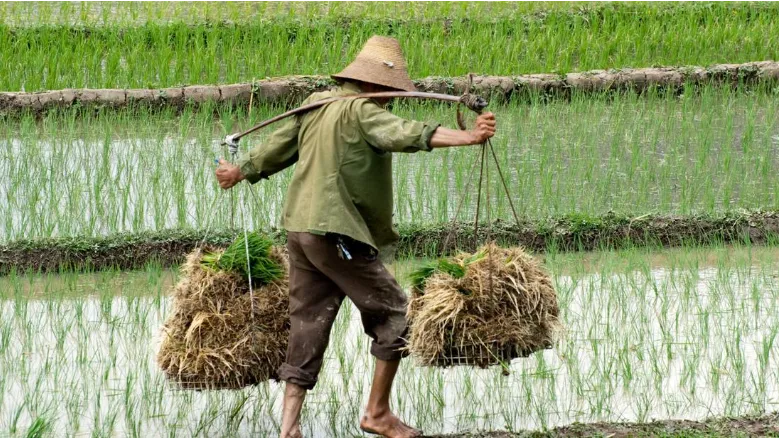
The country’s farming system is mostly small and scattered, making it less able to handle extreme weather. Crops like rice, corn, and soybeans could be at risk.
El Niño is a climate pattern where the Pacific Ocean becomes warmer than usual, changing the weather across the world. In China, it can cause floods in the south and droughts in the north.
China’s National Climate Center says a moderate to strong El Niño is already forming and may continue through the year.
According to experts, China’s farming system is not as strong as countries like the United States because it is divided into many small farms.
This makes it harder to deal with natural disasters. Wheat production may also be affected, though prices are stable for now due to government support.
China’s energy sector could also face problems. Tensions around the Strait of Hormuz have pushed up oil and gas prices, affecting fertilizer supplies.
At the same time, extreme heat is increasing electricity demand, which may force China to use more coal.
A report by CITIC Securities says higher temperatures will lead to more thermal power generation, meaning millions of extra tons of coal may be needed. This could make it harder for China to meet its climate goals.
El Niño may also impact the supply of copper. Bad weather in mining regions like South America and Australia could reduce production. Since China depends heavily on imported copper for construction and power, prices could rise.
Although officials have ruled out a “super” El Niño and say it will likely be moderate, the combined pressure of climate change and global conflict is worrying China’s policymakers. The coming months will be important in seeing how the country handles these challenges.







