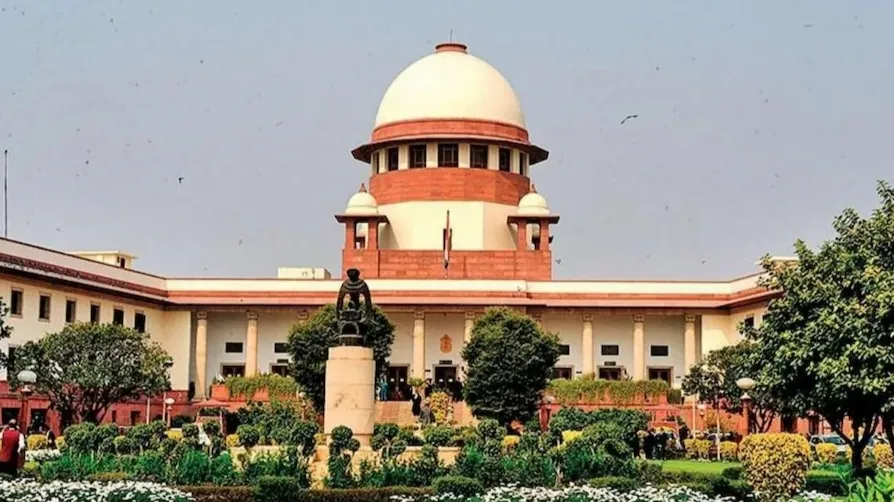
Bombay High Court cites Guru Ghasidas Vishwavidyalaya research on Light pollution
light pollution
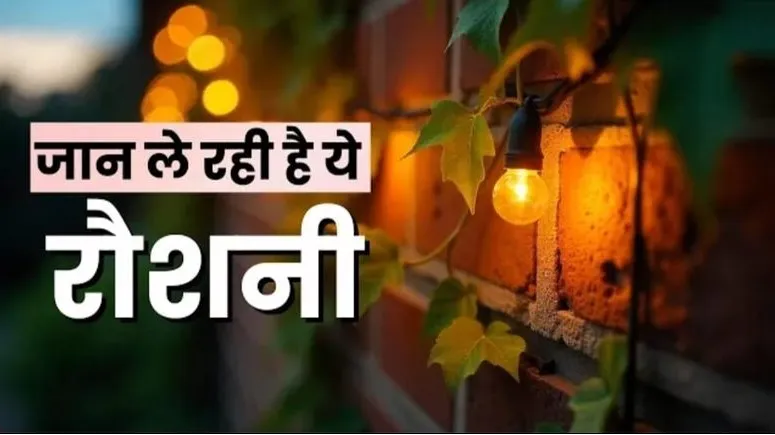
Raipur | Ayushi Sharma : Guru Ghasidas Vishwavidyalaya research paper titled as “Effects of street light pollution on the photosynthetic efficiency of different plants” was mentioned in a Bombay High Court argument.
On April 10, 2024 a petition was filed by Rohit Manohar Joshi highlighting how the artificials lights draped across the trees and plants in the gardens and public places are harming plants and reducing its growth.
Exposure to artificial lights can impact and reduce its photosynthesis process and are detrimental to the small insects and birds who are active majorly during the night time. The phenomenon known as light pollution.
Bombay High Court on April 2024 had asked to remove all the artificial lights that were wrapped around the trees in Brihanmumbai Municipal Corporation (BMC), as well as corporation of Thane and Mira Bhayander Road Mumbai.
The issue was ordered after a public interest petition was filed stating ill effects of installation of decorative lights on trees leading to harm in plants and organisms.
Significantly to prove the argument, the petition mentioned a research paper titled “Effects of street light pollution on the photosynthetic efficiency of different plants” which was published by the department of Botany, School of life sciences, Guru Ghasidas Vishwavidyalaya, of Bilaspur district of Chhattisgarh.
The research highlights
The research revealed that artificial lights including the decorative lights used to drape around the plants, trees, in decorating buildings, Malls or Dhabas shows negative effects on the plants and trees.
The prolonged exposure of lights leads to physiologoical stress, hindering growth and reducing their ability to repair themselves during the night.
The study also found the ethylene gas emitted by streetlights can thicken plant stems abnormally and further hinder their growth.
Researchers stressed that darkness is essential for the natural biological functions of plants, and excessive artificial light disrupts this delicate balance.
Lesser-known light pollution is emerging as a serious environmental issue. According to the environmental research expert Chandralekha Pipariya, there are various forms of light pollution.
1. Glare light pollution: excessive brightness causing visual discomfort.
2. Skyglow: A phenomenon where artificial lights illuminate in such a way that it reduces the visibility of starts and planets.
3. Light trespass: Light spilling into areas where it is neither needed nor intended.
4. Clutter: The excessive grouping of bright lights in one location, creating disorientation and visual confusion.
Besides, Environmentalists warn that light pollution is severely affecting biodiversity.
Small insects, which play a vital role in maintaining ecological balance are particularly vulnerable. Their decline could trigger a broader ecological imbalance. Nocturnal species are also losing their natural habitats due to encroaching glow of these artificial lights.
Lack of regulatory framework in India
Despite the growing concerns, India lacks regulations to control artificial lights pollution. The National Green Tribunal (NGT) has taken cognizance of the issue and issued notices to the central and state government but still no action has been taken.