India Launches World's First Indigenous H5N1 Bird Flu Chicken Vaccine at Rs 1-2
Developed by ICAR-NIHSAD in Bhopal, India's first indigenous H5N1 bird flu chicken vaccine is priced between Rs 1 and Rs 2 per dose, offering crucial protection to millions of poultry farmers against avian influenza outbreaks.
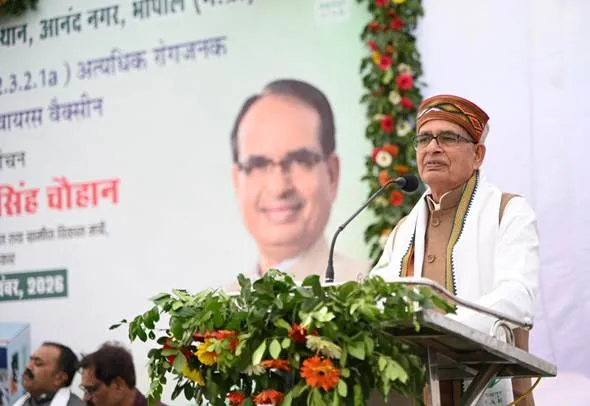
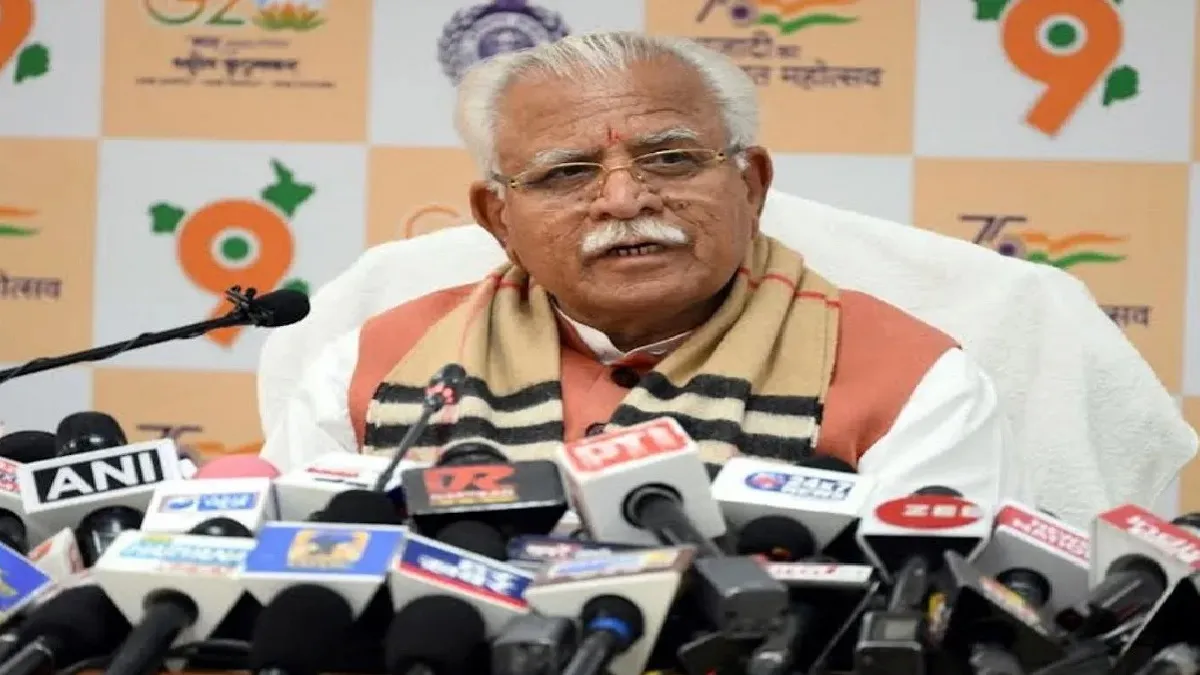
Bhopal: In a landmark achievement for India's self-reliance in animal healthcare, Union Minister for Agriculture, Farmers Welfare, and Rural Development Shivraj Singh Chouhan on Friday dedicated the country's first indigenous H5N1 bird flu chicken vaccine to the nation in Bhopal. Developed by the Bhopal-based National Institute of High Security Animal Diseases (ICAR-NIHSAD), this is the world's first vaccine specifically targeting this variant of avian influenza.
Priced affordably between Rs 1 and Rs 2 per dose, the vaccine is designed to safeguard the livelihoods of millions of small and marginal poultry farmers across the country. During the launch event, Chouhan also announced the establishment of a new state-of-the-art laboratory in Bhopal at a cost of Rs 300 crore. Although the vaccine was initially scheduled to be launched from New Delhi, the ceremony was moved to Bhopal to honor the local scientific community and share the milestone directly with the public.
Over 500 Outbreaks Recorded Since 2006
Highlighting the economic devastation caused by avian influenza, Chouhan noted that India has witnessed over 500 bird flu outbreaks since the first major incident in Navapur, Maharashtra, in 2006, which resulted in the death and culling of 10 lakh chickens. Subsequent outbreaks claimed 9 lakh birds in 2021 and another 2 lakh this year, posing severe financial risks to the poultry industry alongside potential transmission threats to mammals and humans.
Strict Protocols and Months of Tireless Research
Praising the research team as "real heroes," the Union Minister acknowledged the rigorous sacrifices made by scientists Dr. S. Nagarajan, Dr. Manoj Kumar, Dr. C. Tosh, Dr. H.V. Murugkar, Dr. Aniket Sanyal, Dr. Senthil Kumar D., Dr. Naveen Kumar, and Dr. Yogisharadhya R. Working through weekends without breaks, the researchers adhered to strict biosafety protocols that required mandatory sanitization before and after shifts, bathing with 120 liters of water daily, and refraining from keeping any pets at home during the research period. Prior to this breakthrough, NIHSAD had also developed indigenous vaccines for Gumboro disease, Brucella abortus S-19 Delta, Classical Swine Fever, and African Swine Fever.
Livestock Sector Crucial to Preventing Rs 56,000 Crore Losses
Describing livestock as "walking ATMs" for farmers, Chouhan emphasized that animal husbandry and poultry contribute 14 percent and 1 percent to India's GDP, respectively. He pointed out that animal diseases previously caused annual economic losses of roughly Rs 56,000 crore—comprising Rs 22,000 crore from Foot and Mouth Disease (FMD), Rs 20,000 crore from Lumpy Skin Disease, Rs 9,212 crore from Brucellosis, and Rs 4,683 crore from Peste des Petits Ruminants (PPR). Under the National Animal Disease Control Programme initiated by Prime Minister Narendra Modi, over 147.16 crore free doses have already been administered against FMD, building on earlier successes like the Lumpy-ProVacInd vaccine developed in 2022.
The launch event was attended by Madhya Pradesh Minister Vishvas Sarang, Member of Parliament Alok Sharma, MLA Ashish Sharma, Bhopal Mayor Malti Rai, ICAR Director General Dr. M.L. Jat, NIHSAD Director Dr. Aniket Sanyal, alongside local councilors, scientists, and citizens.