Bangladesh’s Gen Z steps into electoral power
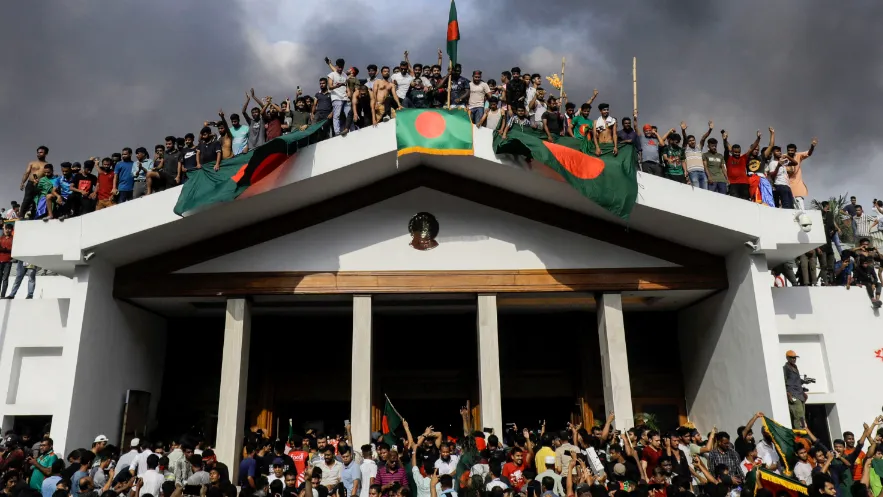
CG News | Desk: Bangladesh's Generation Z (Gen Z) overthrew former Prime Minister Sheikh Hasina's 15-year rule through a student-led movement in 2024. Now, this young generation will elect a new Prime Minister in the national elections scheduled for February 12, 2026. This election is the first democratic event since Hasina's departure, in which the power of young voters will determine the country's political direction.
Bangladesh has a total of 127 million registered voters, of which approximately 56 million (approximately 44%) are young people aged 18 to 37. These Gen Z and Millennials were primarily the backbone of the 2024 July uprising, which claimed the lives of hundreds of young people and forced Hasina to seek refuge in India.
According to the Election Commission, this generation, which reached voting age after 2008, has never seen a competitive election. Under Hasina's rule, the 2014, 2018, and 2024 elections were marred by allegations of rigging and boycotts, leading to disillusionment among young people with politics.
Now, the situation has changed. Millions of young people, like 27-year-old Rafiul Alam from Dhaka, are excited to vote for the first time. Alam says, "Before, my vote seemed meaningless, but the 2024 movement showed that ordinary young people can bring about change. Now, we will elect a new Prime Minister."
Experts believe that this power of Gen Z could significantly influence the election. According to an Al Jazeera report, young voters are united more by distrust of institutions than by ideology. They want corruption-free elections, equal opportunities, and political reform.
Can Gen Z influence the election? Absolutely yes. Surveys show that 97 percent of young people are ready to vote. They constitute a significant portion of undecided voters, who will decide on the policies of candidates and parties.
Bard College professor Fahmidul Haque says, "This generation is different from voters before and after the Hasina era. Their votes will shape future politics." New parties like the National Citizens Party (NCP), which emerged from the youth movement, are also trying to meet their expectations.
The Awami League is banned in the elections, so the main contest is between the Bangladesh Nationalist Party (BNP) and Jamaat-e-Islami alliances. The NCP's alliance with Jamaat is disappointing many young people, who do not want the old dynastic or fundamentalist politics.
Dhaka University student leader Umama Fatema says, "It is important to preserve the spirit of the movement, otherwise history will not forgive us."
Speaking of women, half the voters are women, but only 4 percent of the candidates. Young women are demanding security, dignity, and representation. Chittagong student Moumita Akter says, "This election is the first step to restoring the basic processes of democracy."
European Union observers are calling it the biggest democratic event of 2026. Interim government head Muhammad Yunus has promised that the election will be free and fair. But challenges include attacks on minorities, dual citizenship disputes, and rumors.
Gen Z's power is so great that they will not only elect the Prime Minister but also give Bangladesh a new direction.
Young people like Rafiul Alam say, "We are now accustomed to challenging the establishment. We will continue to question whoever comes to power." The February 12th vote will be a true test of youth power. Will they break the old system and create a new Bangladesh?