
Metro India slows as Bengal workers return home to vote
India's major cities hit by Bengal election exodus
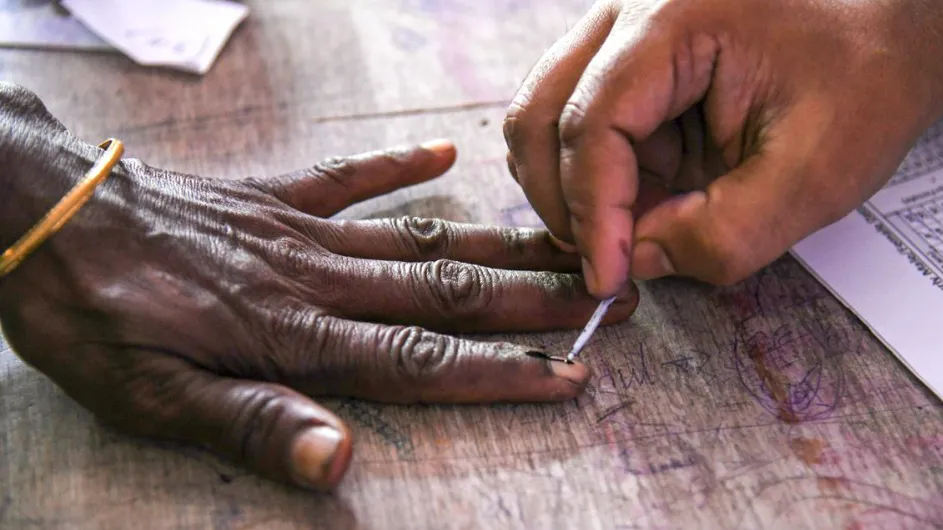
New Delhi | Desk: The ongoing electoral battle unfolding in West Bengal politics is not just confined to the streets of Kolkata or Siliguri; its direct and profound impact has reached the drawing rooms of metropolitan cities like Delhi, Mumbai, Bangalore, and Gurugram.
"India's major cities are currently hit by the Bengal election exodus." This is the bitter reality of the day, one that has abruptly slammed on the pace of modern urban life.
As the battle for power between the BJP and the Trinamool Congress has intensified in Bengal, a massive wave of workers has departed from the country's key economic centers, returning to their home state.
This exodus is so widespread that it has compelled India's elite and middle classes to a pause and made them realise on whose shoulders, exactly, their luxurious lifestyles truly rest.
From the posh residential societies of Gurugram to the high-rise apartment complexes of Noida, the same conversation is echoing everywhere: where, exactly, have the domestic helpers, cooks, and drivers gone?
The answer lies hidden within the polling booths of Bengal, where for these migrants, marking their presence is not just a matter of democratic right but a battle for their existence.
The sudden disappearance of these individuals, who perform everything from washing dishes to cleaning chores in the cities, amounts to nothing less than a "metropolitan crisis."
On social media, people are sharing their distress, describing how, without their domestic help, their homes feel empty.
This issue transcends more than domestic inconvenience; it serves to highlight the critical importance of the invisible workforce that keeps India's cities running.
A major catalyst behind this exodus is the "Special Intensive Revision" of the voter lists, a rigorous process of electoral roll updates. A deep-seated fear has taken root in the minds of these individuals who migrated from remote villages in Bengal to settle in the cities, that if they fail to reach home in time, their names will be removed from the voter rolls.
For them, being excluded from the voter list implies not merely the loss of their right to vote, but potentially the forfeiture of their access to government rations, land rights, and various other welfare schemes. Consequently, thousands of people are spending their hard-earned savings on air tickets and long train journeys just to return home.
Political parties are trading accusations, claiming that voters are being summoned back either through intimidation or inducements; however, the reality is that this represents a collective anxiety to safeguard one's identity.'
In the metropolises, this labor crisis has created new dynamics in technology and the market. Securing a booking on service apps like Urban Company has now become akin to winning a lottery.
People are investing in appliances such as vacuum cleaners and dishwashers, yet they remain unable to fill the void left by the human labor that typically flows in from Bengal. Areas in Noida, such as Gheja and Bhangel, which once bustled with migrant workers, now lie deserted.
This situation underscores the extent to which the infrastructure of India's major cities relies on the labor force hailing from West Bengal. Senior lawyers and intellectuals argue that it is a 'civilizational tragedy' that a state which once led the nation is today recognized primarily as the largest exporter of domestic help.
Seen politically, the ongoing verbal clash between Narendra Modi and Mamata Banerjee is shaping how this exodus is being viewed. One side calls it a sign of poor governance and growing fear, while the other presents it as an attack on people’s citizenship rights to mobilize voters.
Amidst all this, the retired gentleman in Gurugram who now finds himself washing his own dishes, or the working woman in Bengaluru anxiously awaiting her driver's return, all are acutely feeling the heat of this election season.
This situation shows that no matter how modern India’s cities become, they still depend on people who come from distant villages, people we often notice only when they are gone. Whatever the outcome of the Bengal elections, this large-scale migration has made urban India realize how much it relies on these workers and how deeply they are part of its social fabric.







