
Fuel basics: Understanding LPG, CNG & PNG
Fuel fears rise
New Delhi | Desk: Global tensions and escalating attacks on oil refineries and pipelines in the strategically vital Strait of Hormuz have posed a major challenge to India's energy security.
Under the government's new policy, hospitals and domestic consumption will now be accorded as the highest priority in the gas supply allocation ensuring that daily life and healthcare remain uninterrupted.
According to the new distribution framework, 100% of the available Liquefied Natural Gas (LNG) has now been reserved for the production of LPG, as well as for CNG and Piped Natural Gas (PNG).
India is rapidly transitioning toward a gas-based economy to meet its energy requirements. However, the current crisis has made it imperative to understand the interdependencies and distinctions among various fuels.
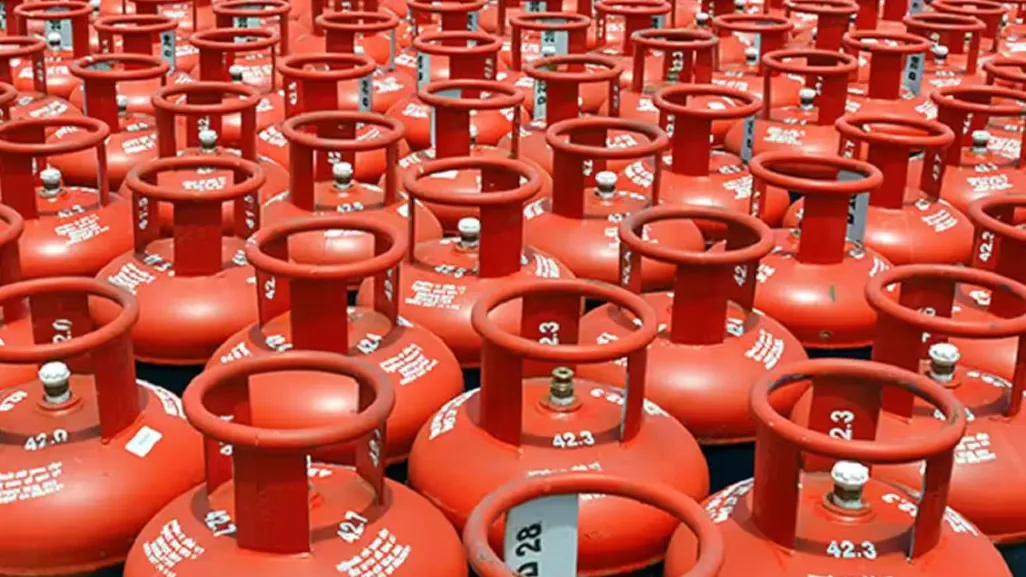
LPG - The lifeline of the domestic kitchen, Liquefied Petroleum Gas (LPG) serves as the primary cooking fuel for millions of households across India. According to the Petroleum Planning and Analysis Cell (PPAC), India relies heavily on imports to meet its LPG requirements. Initiatives such as the *Pradhan Mantri Ujjwala Yojana* have expanded its reach to underprivileged families; consequently, today, 9 out of every 10 gas cylinders are utilized in domestic kitchens. It is primarily a mixture of propane and butane.
CNG - The foundation of clean transportation, Compressed Natural Gas (CNG) is utilized as a green fuel in vehicles. It is produced by compressing natural gas to a high pressure (200–250 kg/cm²), causing it to occupy less than 1% of its original volume. Predominantly composed of methane, this fuel has proven to be a milestone in reducing pollution in metropolitan cities such as Delhi. Unlike LPG, CNG remains in a gaseous state.
PNG - A network of convenience and safety, Piped Natural Gas (PNG) is delivered directly to homes and industries through dedicated pipelines. Its primary constituent is methane (CH₄), which possesses the lowest carbon-to-hydrogen ratio among fuels. Consequently, it burns in the most complete and clean manner compared to other fossil fuels. India's extensive pipeline network makes it a secure option with a continuous supply.
LNG - The Challenge of Import and Storage. When natural gas is cooled to -160°C, it transforms into a liquid state, known as LNG. India imports approximately half of its total requirement in the form of LNG from countries such as Qatar, the USA, Australia, and Russia. It is transported in specialized cryogenic tankers and, following regasification at ports, is dispatched through pipelines. However, compared to Europe, India's LNG storage capacity remains limited.
Currently, the use of gas is not confined solely to the kitchen. It is also indispensable for fertilizer production (ammonia manufacturing), power generation, and refinery operations. Rising tensions in the Strait of Hormuz serve as a warning to India to enhance its storage capacity and focus on alternative sources of energy.
At present, the government's priority is to ensure that situations akin to war do not adversely impact the domestic kitchens of Indian citizens, nor the oxygen and electricity supplies of hospitals.







