
World Brain Tumor Day: Spreading Awareness, Confronting Challenges
Dr Anil Kumar Sharma
Brain tumors remain one of the deadliest and most feared forms of cancer, yet awareness among the general population remains significantly low. World Brain Tumor Day, observed every year on June 8, is dedicated to educating people about brain tumors and drawing public attention toward this critical health issue.
According to GLOBOCAN 2020, there were 308,102 new cases and 251,329 deaths globally due to cancers of the brain and central nervous system (CNS). A substantial proportion of these were due to aggressive tumors such as glioblastoma, a stage 4 cancer that has a 5-year survival rate of only 5–10%.
In India, approximately 40,000 to 50,000 new brain tumor cases are diagnosed annually, with 20% affecting children. According to the same GLOBOCAN report, India reported 31,460 new cases and 26,656 deaths due to CNS tumors. The incidence of brain tumors in the country ranges from 5 to 10 per 100,000 population and is showing a rising trend.
Glioblastoma, stage 4 cancer is the most aggressive type of brain cancer. World Brain Tumor Day is targeted at educating people and the society about this kind of lethal cancer which is not very common. The day is also meant for people who are suffering from brain tumor and help them deal with the condition in a better and more effective way. Because of its aggressive nature of brain tumours, this disease results in a significant cancer morbidity and mortality with a serious impact on the health care system in general, and particularly on patients and their social systems.
I have seen and operated on all types of brain tumors cases, including very rare ones. We operate with microneurosurgery and minimally invasive techniques with the help of neuronavigation and neuromonitoring whenever required. We have seen tumours occurring in newborn child to very old patients. At AIIMS, we operate on all kind of brain tumour cases including complex and challenging cases.
I have seen often patients present very late. I have seen many patients with complete blindness due to brain tumours which could have been treated in a better way with good outcome, had they presented on time. So far there is no robust study and data about brain tumours in Chattishgarh state and I am working in this direction. As,there is no precaution that can be taken in prevention of brain tumor only early detection and treatment can help in prevention of complications.
Brain tumour , an abnormal mass of tissue, occurs in brain cells, which multiply in an abnormal manner or way in which it cannot be controlled. Depending on the tumor's location, how fast the cells are multiplying and their spread to adjacent areas, the tumor is given grades from 1 to 4. Brain tumour can be benign (non-cancerous) or malignant (cancerous), can affect any portion of the brain, skull, spinal cord and vertebrae. Brain tumors may originate from neural elements within the brain itself, or they may represent spread of distant cancers from any other organ of the body like lungs, breast or kidney.
It can affect people of any age, including children who account for 15-20% of brain tumours.
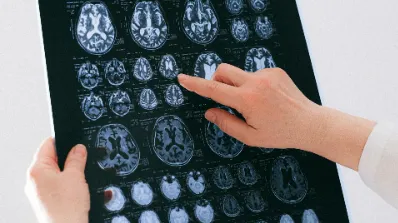
The signs and symptoms of brain tumors are broad and can present in many ways for ex- behaviour and personality changes and often lead to delayed diagnosis. Symptoms of brain tumour can start just with a simple headache, Manifestations of brain tumor may be nonspecific and include the following: a Headache, Altered mental status, Vomiting, Weakness, paralysis, seizures, vision loss, Speech deficits. As most of the brain tumor initially present with very nonspecific complaints, early diagnosis by a neurosurgeon or neuro physician is very important and can help plan further treatment in initial stages of the disease. Diagnosis is done by CT scan or MRI.
The exact cause of brain tumours is not known, but there are some factors that may play a role in the development of the cancer. For instance, radiation exposure, radiotherapy, genetic causes and a family history of brain tumors.. The risk for most types of brain tumour increases with age, although some types are common in children.
Surgery is the main treatment option for brain tumours. A lot of brain tumors are non cancerous and can be cured completely and for life by complete surgical removal. But, it isn’t always possible to remove all of the tumours via surgery, in such cases, chemotherapy and radiotherapy are recommended. In many cases of malignant tumors also, long-term survival is possible with accurate surgery and other management.
There are lots of myths and misunderstanding about brain tumor among the general population which should be addressed by raising awareness. Diagnosis of brain tumor does not always mean a poor outcome. Outcome and overall survival rate depends mainly on the age of the patient, type of tumour, whether it is benign or malignant, and the extent of the surgical excision and characteristics of the tumor.
Early diagnosis is particularly important as it can help prevent complications that may occur as a tumour grows and puts pressure on the skull and brain tissue. The past decade has witnessed a revolution in our understanding of brain cancer.
Symptoms of brain tumor should not be ignored and patient should consult a neurosurgeon as early as possible. An untreated brain tumour, whether benign or malignant, can lead to serious life-threatening complications.
Since the brain virtually controls every function in the body, any abnormal growth inside the skull can have widespread and progressive effects. Symptoms for brain tumor as follows-
- Severe headaches, unexplained nausea or vomiting ,early morning headache
- Seizures
- Vision problems
- Gradual loss of sensation or movement in an arm or a leg
- Difficulties with balance
- Tiredness, confusion and difficulties in decision-making, personality, or behavior changes
- Hearing problems and difficulties in speech
* The author is the Head of the Department of Neurosurgery at AIIMS, Raipur.







