Chhattisgarh High Court Grants Divorce to Husband, Rules Wife’s Continued Contact With Another Man Amounts to Mental Cruelty
Overturning a 2019 family court order, a division bench of the Chhattisgarh High Court granted a divorce to a man married since 1994. Relying on the testimonies of the couple's children, the court held that direct proof of physical intimacy is not mandatory to establish mental cruelty when a spouse maintains continuous contact and meets another person against the partner's wishes.
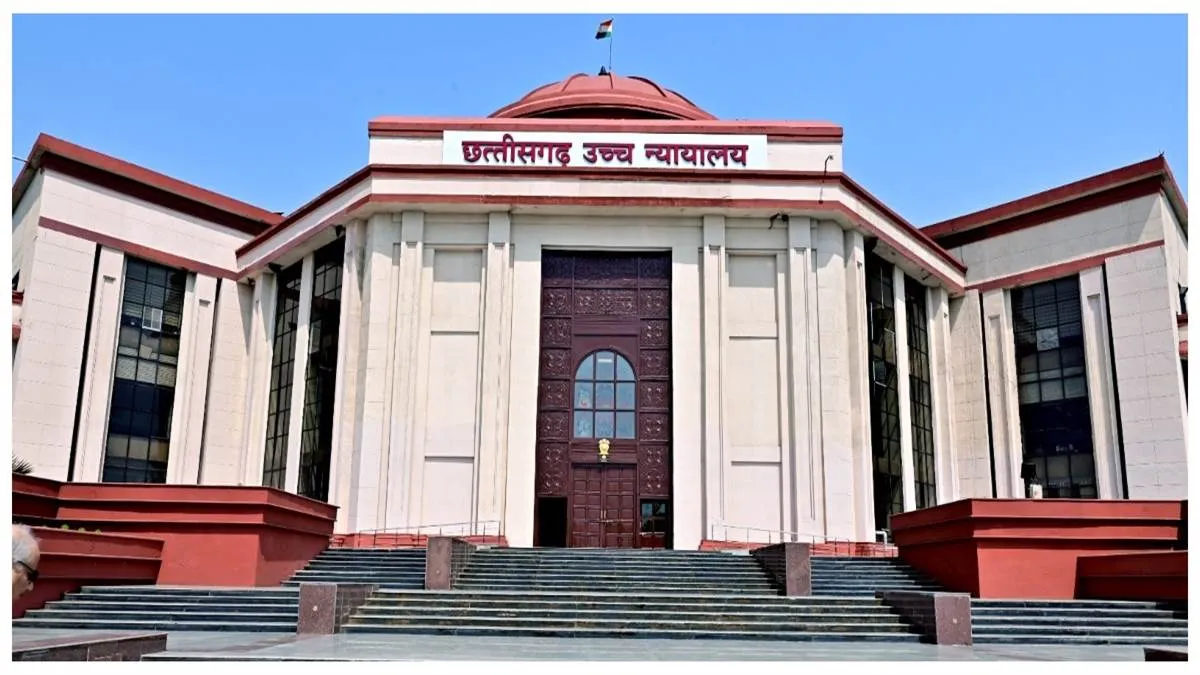
Bilaspur: In a significant ruling on matrimonial disputes, a division bench of the Chhattisgarh High Court comprising Justice PP Sahu and Justice Sushma Sawant overturned a family court’s previous order and granted a divorce to a husband. Allowing the appeal under Section 13(1)(ia) of the Hindu Marriage Act, the court clarified that maintaining continuous contact and meeting another man during a subsisting marriage falls within the ambit of mental cruelty, and direct evidence of a physical relationship is not mandatory in every case to prove it.
The case originated from the Baikunthpur area of Koriya district, where the couple married in 1994 according to Hindu rituals and subsequently had three children—two daughters and a son. The husband had approached the family court seeking divorce, alleging that his wife was in a relationship with another man and continued to speak with him frequently over the phone despite repeated objections, severely disrupting their married life.
However, on November 23, 2019, the family court dismissed his plea citing a lack of sufficient evidence, prompting the husband to challenge the decision before the High Court.
During the High Court proceedings, the bench thoroughly examined the testimonies of the couple's children along with the sequence of events presented by the husband. The daughter testified that her mother continued talking to the man despite repeated counseling from family members. The son stated before the court that the man used to visit their house in his father's absence, and whenever the children tried to inform their father, their mother would scold and silence them.
According to the son's testimony, his mother had also left home on one occasion to stay at the other man's residence. Additionally, the husband informed the court of an incident from August 22, 2017, when he had sent his wife to the hospital to tend to his ailing parents, only for her to be spotted riding on a motorcycle with the same man. Although she had assured her husband at the time that she would end the association, she soon resumed contact with him.
After hearing arguments from both sides, the High Court observed that the family court had failed to properly consider several crucial aspects of the case. The bench noted that gathering direct proof, such as video or phone recordings, is not always feasible in cases involving extramarital associations, making the proper evaluation of circumstantial evidence and witness statements essential. Concluding that inviting another man home in the husband's absence, speaking to him persistently, and roaming around with him were sufficient to establish mental cruelty, the High Court set aside the lower court's ruling and dissolved the marriage.