Protecting culture under PESA not unconstitutional, says Bilaspur HC
Protecting culture under PESA not unconstitutional, says Chhattisgarh HC
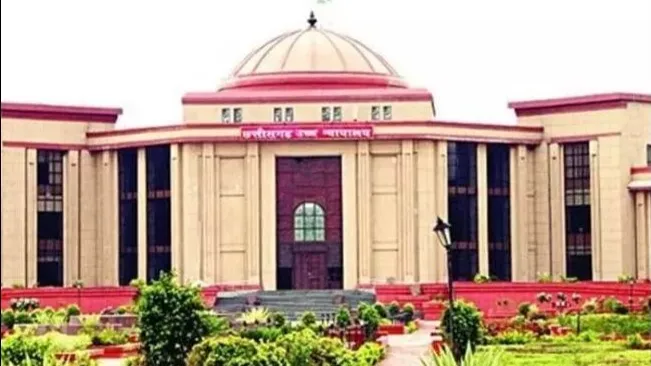
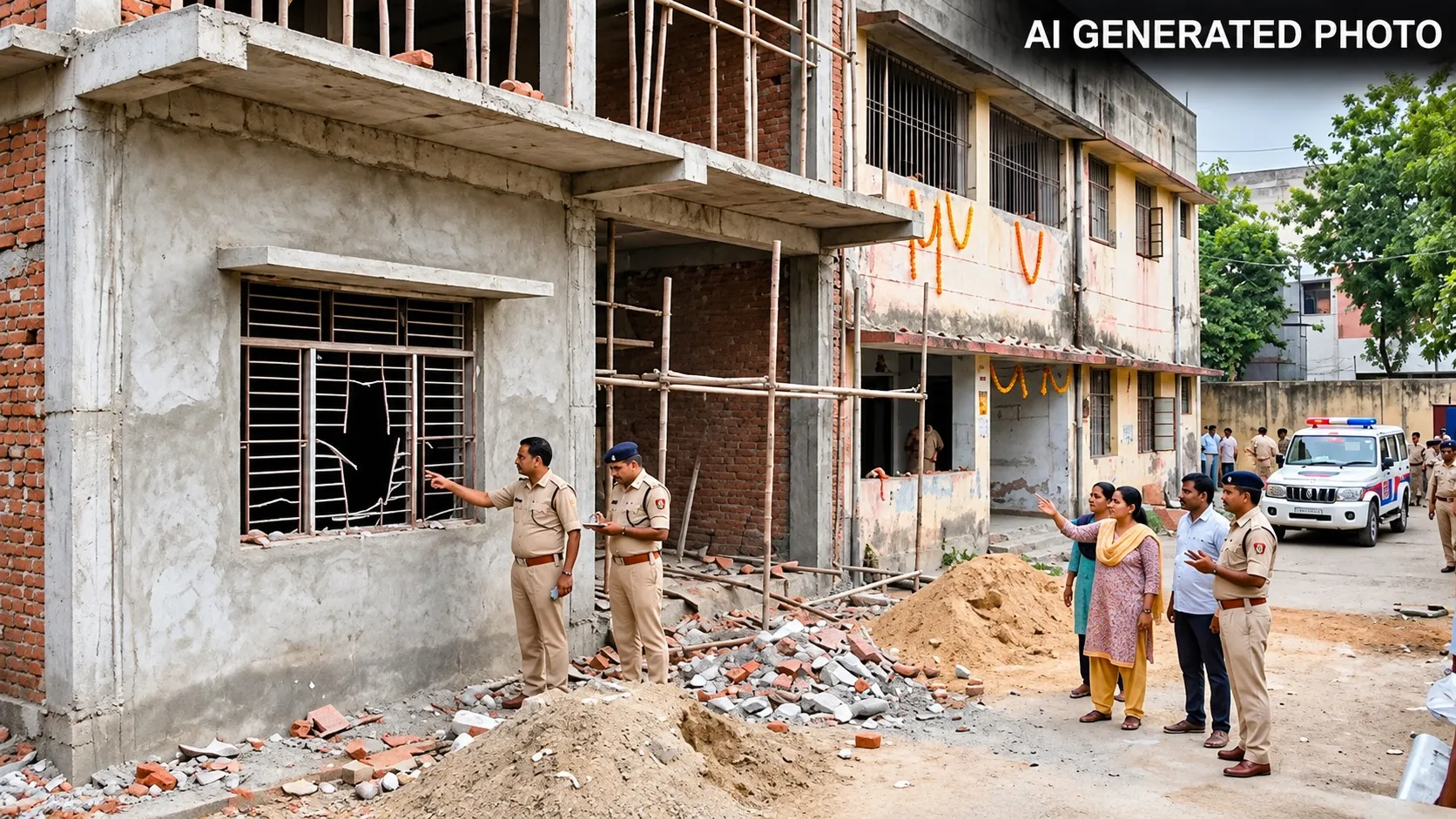
Bilaspur | Correspondent: The Bilaspur High Court ruled that the installation of the hoardings for preventing forcible conversion by the allurement cannot be termed as unconstitutional.
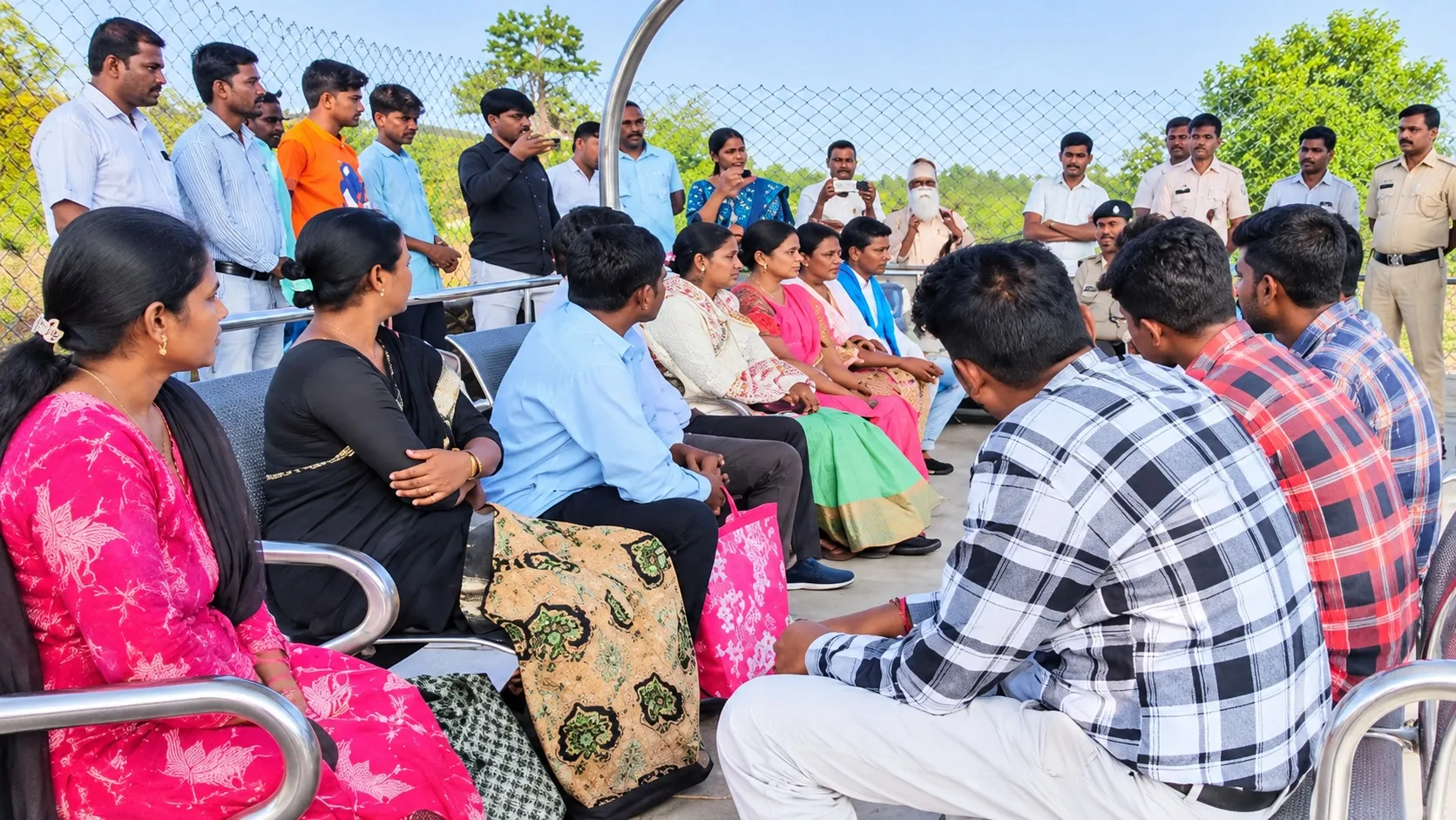
A division bench of Chief Justice Ramesh Sinha and Justice Bibhu Datta Guru, while adressing noted that Gram Sabhas in atleast eight villages of Kanker have installed hoardings stating prohibition of Pastors of the Christian religion entry to the village.
The eight villages includes, Kudal, Parvi, Junwani, Ghota, Ghotiya, Havechur, Musuputta, and Sulangi.
The court stated that "incidents of mass or motivated conversions not only increse tension and distrust in society but also attempt to erase the cultural identity of indegenous and tribal communities".
The case is related to the village of Ghotia of Bhanupratappur of Kanker district where the Gram Sabha with an aim of protecting its culture and traditions under the PESA act had installed hoardings stating, "The Gram Sabha has the right to protect its culture and traditions; therefore, outside pastors, missionaries, or converts cannot enter the village".
A public interest litigation was filed in the High Court regarding this action, arguing that such hoardings violate religious freedom.
The court rejecting the petitioner's arguments stated, they could seek legal recourse before the Gram Sabha, Sub-Divisional Officer (Revenue) or the police administration. Clarifying further it said, "a person cannot be prevented from practicing their religion, but if conversion is being carried out through deception, or financial inducement, it is a matter of serious constitutional concern."
The judgment said that in many remote tribal areas of the state, there have been complaints that some missionary groups persuade poor and illiterate families to change their religion by offering money, free education, medical help, or jobs. The court noted, “Such acts are not examples of true religious freedom, but signs of helplessness among vulnerable people.” It warned that this could slowly turn into a kind of cultural dominance.
The court also pointed out that missionary work has existed in India since the colonial period. While the early missionaries focused on education, health, and social reform, over time, some groups started using these as tools for religious conversion. The court said, “Conversions are increasing among poor communities due to promises of livelihood, equality, and education and this is a matter of concern.”
On the issue of protecting culture and religion, the High Court clarified that if Gram Sabha hoardings are meant to promote cultural preservation and community unity, and do not spread hatred or discrimination against any religion, then they are not unconstitutional.