Israel-Hezbollah conflict intensifies despite ceasefire agreement
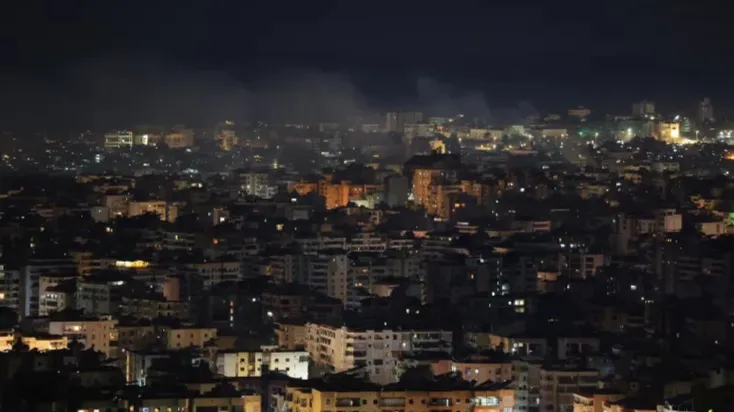
Beirut | Desk: Lebanon's capital, Beirut, was stirred by the roar of Israeli fighter jets on Monday. The attack was carried out in response to Hezbollah's rocket and drone attack on a military base near Haifa in northern Israel.
Hezbollah claimed the attack was in retaliation for the assassination of Iran's Supreme Leader, Ayatollah Ali Khamenei, and in defense of Lebanon. The group issued an official statement, saying that Israel has been continuously aggressive and assassinating its leaders for the past 15 months, making this action necessary.
The Israeli military responded strongly to the attack, launching "powerful strikes" in dozens of villages in south Beirut, the Bekaa Valley, and southern Lebanon.
According to an Israeli military spokesman, they are targeting senior Hezbollah members and key positions that pose a threat to Israel's security.
Additionally, Israel has ordered residents of more than 50 villages in southern Lebanon to immediately evacuate their homes and move to safer locations. This order has once again raised fears of mass displacement and a humanitarian crisis.
Political divisions within Lebanon are also evident over this development. Lebanese Prime Minister Nawaf Salam has called Hezbollah's move "irresponsible and suspicious." He said the attack has given Israel another excuse to continue its attacks on Lebanon.
It is noteworthy that a ceasefire agreement was reached between the two sides in November 2024, but Lebanon alleges that Israel has violated its terms thousands of times. Given the current situation, experts view this as an escalation of a regional war, pitting the US and Israel on one side, and Iran and its allies on the other.