Boycott of Israeli products intensifies across Europe amid Gaza war
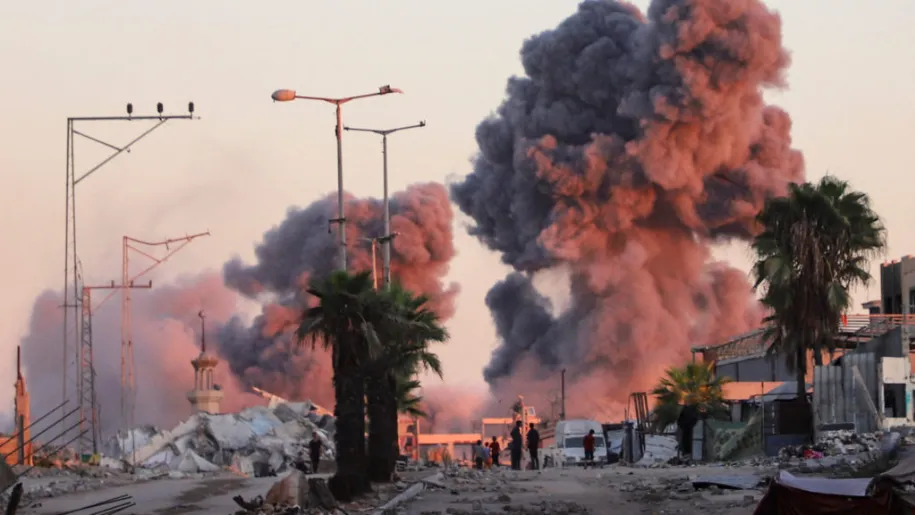
New Delhi | Desk: An individual protest that began in Newcastle, a coastal city in Ireland, is now escalating into a major labor movement across Europe. The incident dates back to August last year, when a Tesco supermarket employee, distraught by the ongoing humanitarian crisis and intense bombing in Gaza, refused to scan Israeli fruits and vegetables.
The employee stated that he could not participate in the sale of these goods, going against his conscience. Although the company initially suspended him, following intense pressure from trade unions and the local public, he was reinstated in January on the condition that he would not have to handle Israeli goods.
This incident has now become a test case in Europe, where labor organizations are arguing that no employee should be forced to boycott Israeli products on moral grounds. Unions in Ireland, Britain, and Norway have passed resolutions in this regard, while major retail stores like the British Co-op have removed some Israeli products from their shelves.
Activists are comparing this movement to the famous Dunnes Stores strike of 1984, which ultimately made Ireland the first Western country to impose trade sanctions against South Africa's apartheid regime.
This growing economic pressure is now being reflected in state-level policies. Slovenia banned goods from Israeli settlements in August 2025, followed by Spain from the beginning of 2026.
Similar legal proposals are also being debated in the Netherlands and Ireland.
However, pro-Israel organizations like B'nai Brith International and Elnet are actively trying to counter this boycott movement, calling it anti-Semitic and pressuring governments to declare such economic sanctions illegal. Currently, this struggle has moved beyond store checkout counters and reached the doorsteps of the European Parliament.