Amidst the military tensions, Global oil market faces tailspin situation
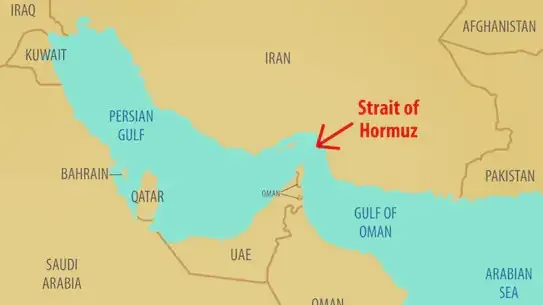
New Delhi | Desk: Escalating military tensions in the Middle East have thrown the global oil market into a tailspin. Following attacks on Iranian bases by the US and Israel, Iran has retaliated by announcing the closure of the Strait of Hormuz. This waterway is one of the world's most crucial energy chokepoints, and its closure poses significant challenges for major oil-consuming countries like India.
In February, crude oil prices rose from $65 to $73 per barrel due to fears of war, and are now expected to rise further following actual military action.
This crisis has significant implications for India, as the country imports nearly half of its total crude oil consumption, approximately 2.6 million barrels per day, from countries like Iraq, Saudi Arabia, the United Arab Emirates, and Kuwait. All of this importation passes through the Strait of Hormuz.
Experts believe that any disruption to this route will not only impact physical supply but also cause Brent crude prices to skyrocket in the international market due to the "geopolitical risk premium."
This will directly impact India's trade deficit, foreign exchange reserves, and the strength of the rupee. Increased freight and insurance rates could lead to higher prices for fuel and other commodities for the common man.
However, Indian refineries and the government are working on a multi-pronged strategy to address this situation. According to experts, India could utilize its Strategic Petroleum Reserves and increase oil purchases from countries that do not use this controversial route, such as the United States, Nigeria, Angola, Brazil, and Venezuela.
Although importing oil from these countries will increase freight costs and lead to longer transit times, it will ensure supply continuity.
Russia has emerged as a major buffer for India during this crisis. Currently, numerous tankers loaded with Russian crude oil are stationed near the Indian Ocean and the Arabian Sea, which can be quickly brought to Indian ports in case of any emergency.
India already sources 35 percent of its oil needs from Russia, which has proven to be a safe option due to discounts and shorter lead times. Experts say that while a complete blockade of the Strait of Hormuz is unlikely to last long, given the US military presence and its economic dependence on Gulf countries, India must be prepared to bear the economic impact of high prices for a long period.